Skip to content
David Alvarado · Developer

I presented Acompáñame at the Delfín Programme 2026

Temascalcingo, Mexico · GMT−6 Available for projects

I build software for everyday problems.

From institutional platforms to WhatsApp bots, mobile apps and hardware. The systems below are answering requests right now for real institutions and businesses — not demos. I run the server they live on myself.

David Alvarado Correa in a dark suit, standing in front of a stone wall with plants.
Live right now answering today

Systems of mine that are running right now

  1. ODAPAS Temascalcingo Municipal drinking-water utility. Paperwork, payments and fault reports for thousands of households. Next.js · TypeScript · Tailwind live
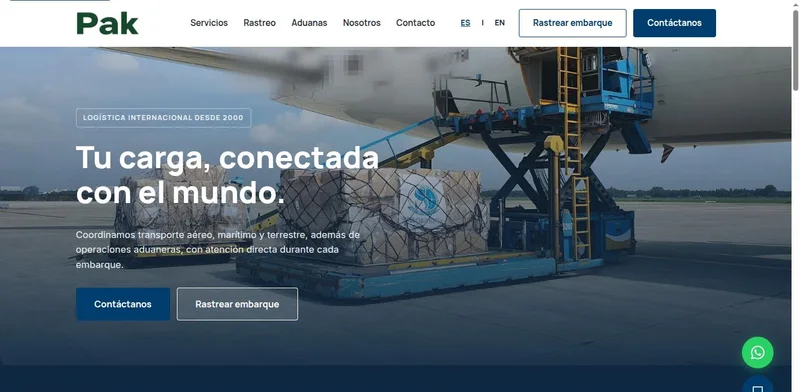
  2. Pak Express International freight forwarding. Bilingual site with quoting and shipment tracking. Python · Flask · SQLite live
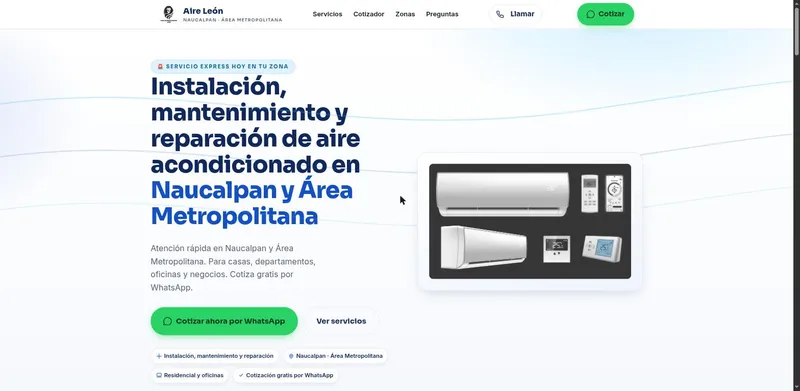
  3. Aire León Air conditioning in Naucalpan. Quoting tool and lead capture over WhatsApp. HTML · CSS · JS · Node live
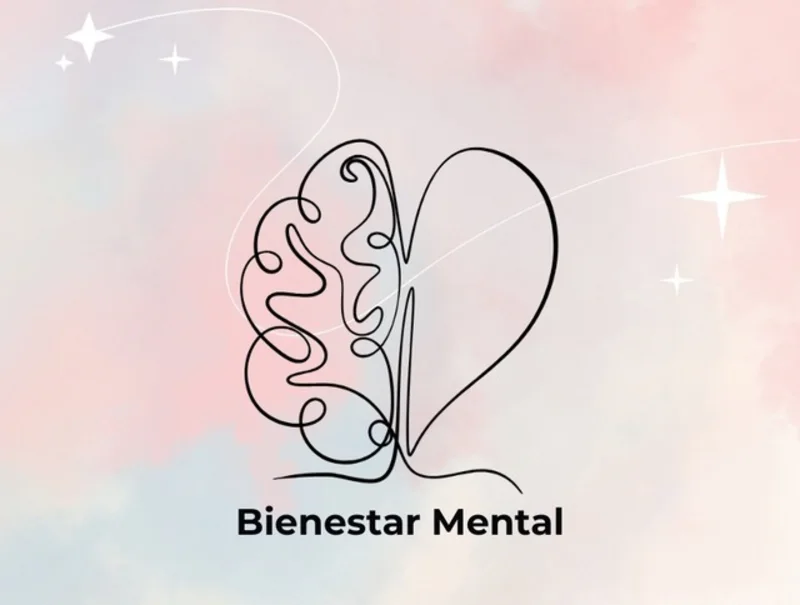
  4. Bien Mental Psychology clinic. A WhatsApp bot that answers, books appointments and sends reminders. Python · Baileys · MySQL live
  5. Acompáñame — server The mobile app's backend. Weeks of uptime with no restarts and no outages. Not public: it lives on the server's internal network. Node · Express · TypeScript live
  6. MultiXita University platform. Access control, academic records and emergency alerts. Expo · Node · MySQL in development
  7. UMB vehicle registry Student enrolment with a QR-code record the guard can check at the gate. HTML · CSS · JS delivered

These statuses are real: every domain above responds right now. It all runs on an Ubuntu VPS I administer myself — nginx, certificates, backups and monitoring included.

The big one

It started with a paper notebook at the gate

The short story of how a small problem turns into a system. It is exactly how I work.

Getting into my university meant signing a paper notebook: name, class group, student number, signature, time of day. That was the whole system. I replaced it with a digital ID card carrying a QR code: the student shows it, the officer scans it, and the record is done in seconds.

From there it grew on its own into the platform for the entire school. And once I had the students inside it, a responsibility appeared that was never in the plan: their safety. That is where the SOS button came from — it fires by shaking the phone and alerts authorised staff without showing anything on screen.

Illustration of a Xita, the masked character from the Temascalcingo carnival that gives the project its name. Xita · Temascalcingo carnival
01

The notebook

Signing by hand at the gate. Slow, illegible, and impossible to look up afterwards.
02

The ID card

A QR code scanned at the entrance. Every entry logged with a timestamp and the officer on duty.
03

The whole school

Students, teachers and administration. Tutoring, records, grades and access history.
04

The SOS button

An emergency alert with location, routed to authorised staff. The part that actually matters.
Work

Things somebody uses on a Monday

Acompáñame

Mobile app · Research

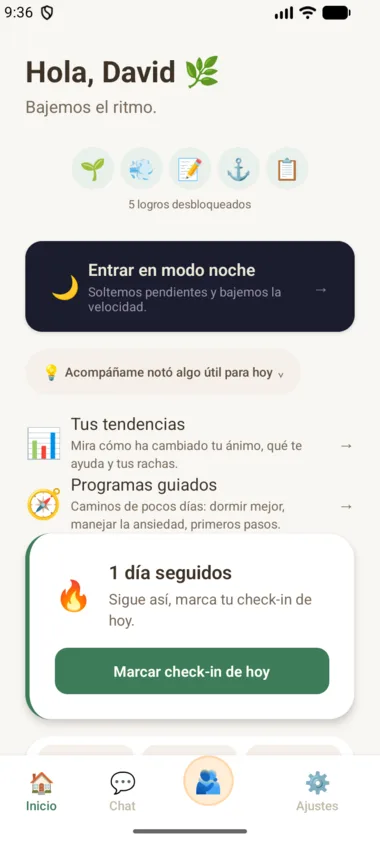
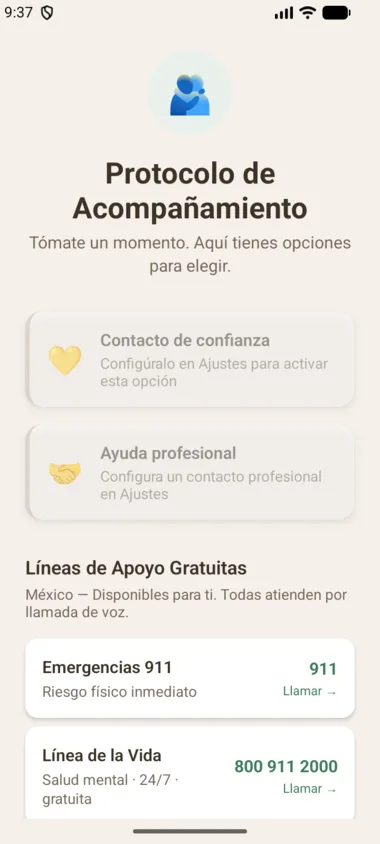
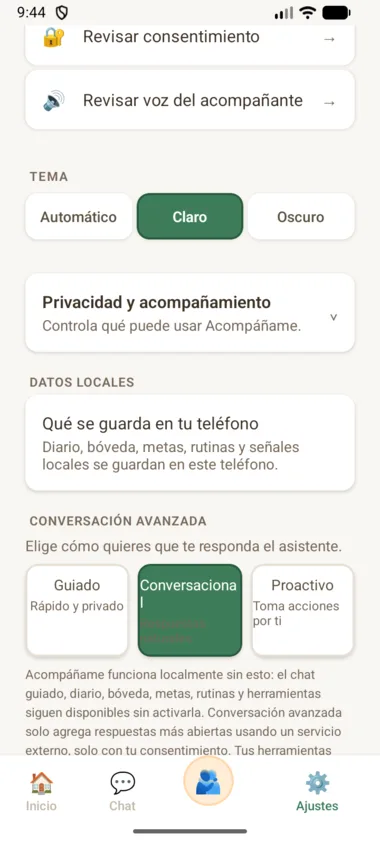
A mental-health companion app. Everything the user writes is encrypted and never leaves their phone; risk-signal detection runs on the device itself, so it works even with no signal. This is the project where I learned to build with data that leaves no room for a mistake.

26 screens · React Native · Expo · TypeScript · AES-256
Presented at the Delfín Programme 2026, advised by UAEMéx.

Acompáñame home screen. Support protocol screen with helpline numbers. Privacy and consent screen.
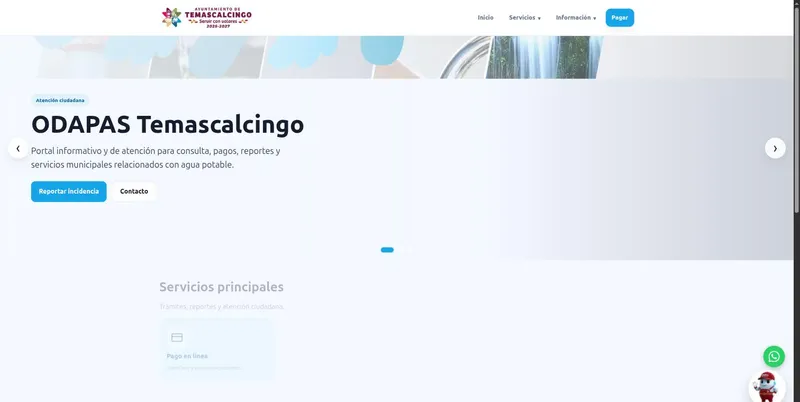
Home page of the ODAPAS Temascalcingo portal.

ODAPAS Temascalcingo

Institutional

The digital counter for the municipality's water utility: check your bill, pay it, report a leak. Its users arrive on modest phones with limited data, so everything was solved in the fewest taps possible.

odapastemascalcingo.com.mx · live

Bien Mental

Bot · Automation

A psychology clinic that kept its appointments on paper. Today the bot answers on WhatsApp, books, charges, reminds and syncs with Google Calendar — and follows up on its own with anyone who abandoned the conversation, which is exactly where patients were being lost.

GET bienmental.site → {"ok":true,"service":"wa_bot"}

Pak Express home page: air cargo on the tarmac under the headline “Your cargo, connected to the world”.

Pak Express

Corporate · SEO

International freight by air, sea and road. A bilingual site, shipment tracking, and a quote form that lands straight in their inbox. Half their clients write in English, and the site serves them just the same.

pakexpress.com.mx · live

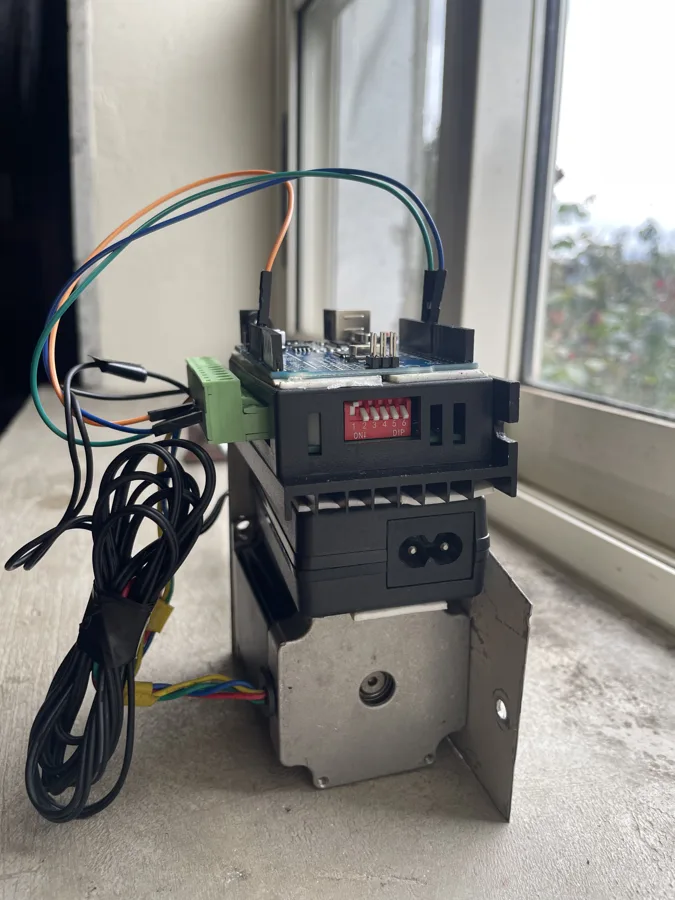
AppVentana prototype: a NEMA stepper motor, driver board and Arduino wired next to a window.

AppVentana

Hardware · Electronics

The classroom windows were mounted so high nobody could reach them. A motor, an Arduino and a three-button app solved it. Not everything is fixed with a screen — sometimes you have to solder.

Code, firmware and video demo

Home page of the Aire León landing site.

Aire León

Business · Lead capture

Air-conditioning installation and servicing. A business that lives on people writing in, so the page has exactly one job: get them to WhatsApp without friction. A quoting tool, requests that arrive on their own, and local SEO, which is where nearly all of them come from.

aireleon.com.mx · live

About me

I came to code by fixing what was in front of me

My name is David Alvarado Correa. I live in Temascalcingo, Mexico, and I study Administrative and Financial Informatics at the Universidad Mexiquense del Bicentenario. I did not come up through software engineering, and it shows in how I pick problems: I don't start from the technology, I start from something that gets in the way every day.

That's why none of my projects is a classroom exercise. In every one there was someone on the other side waiting for it to work — a neighbour paying a water bill, a patient booking a session, a student walking into class — and that is the only test that counts. I work alone, I answer for it, and I deliver things that keep running.

“What doesn't exist can't break.”

Education BSc in Administrative and Financial Informatics
Universidad Mexiquense del Bicentenario
Where Temascalcingo, State of Mexico (GMT−6)
Remote worldwide, or on site in the region
What I work with Next.js · React · React Native · TypeScript
Node · Python · Flask · MySQL · SQLite
Tailwind · Nginx · PM2 · Docker · Linux
Languages Spanish (native) · English (working proficiency)
Research Delfín Programme 2026 — XXXI Summer of
Pacific Scientific and Technological Research
Delfín Programme

Delfín Programme: more than a research summer

When I got to the programme, I thought I was going to present a project and that would be it. I had no idea I would leave with something much bigger than a poster or a certificate.

There you don't only share your research — you share three weeks with people from all over Mexico who, like you, dared to leave their city, their familiar ground, to show what they had built in front of strangers. You meet people you would never have crossed paths with in everyday life. You live conversations, sunsets, laughter and nerves that don't fit into an academic abstract.

If you are thinking of applying, or you have already been accepted and you have doubts: do it. Don't do it only for the certificate or the line on your CV. Do it because the programme gives you back far more than you bring to it — you will meet people, you will meet yourself in a new setting, and you will probably surprise yourself with what you can live through once you dare to step out of your routine.

“I arrived with a project. I left with an experience I am still processing.”

Go and live it.

— David Alvarado Correa

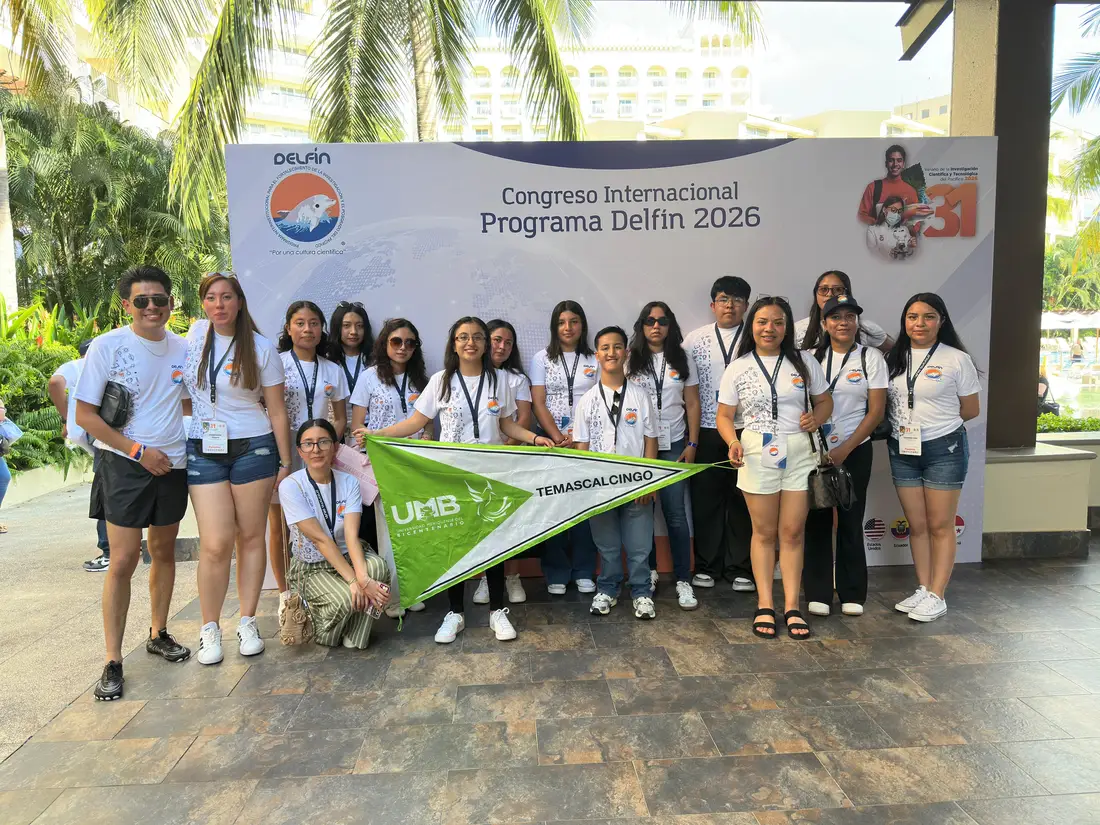
Delegation from Universidad Mexiquense del Bicentenario, Temascalcingo campus, in front of the Delfín Programme 2026 International Congress wall.
The UMB Temascalcingo delegation, on the day we arrived at the congress.
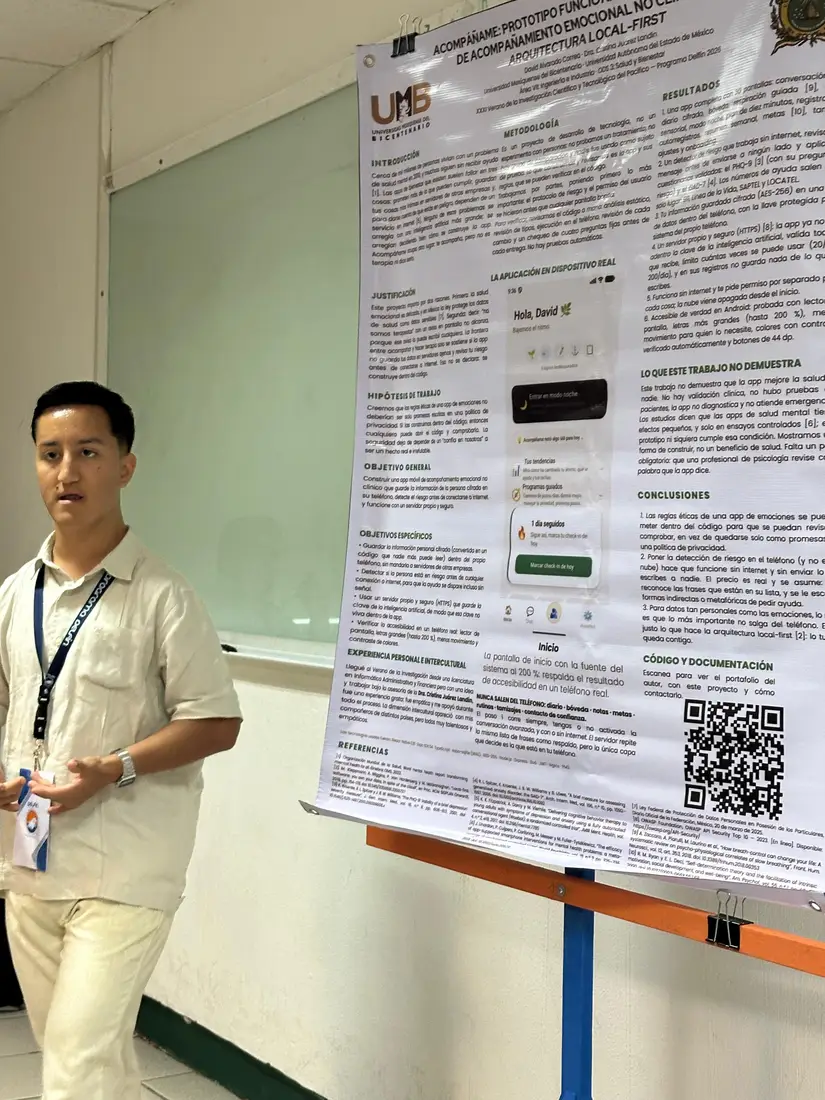
David Alvarado standing beside his Acompáñame poster, with screenshots of the app printed on the panel.
Presenting Acompáñame: a working prototype for emotional support with a local-first architecture.
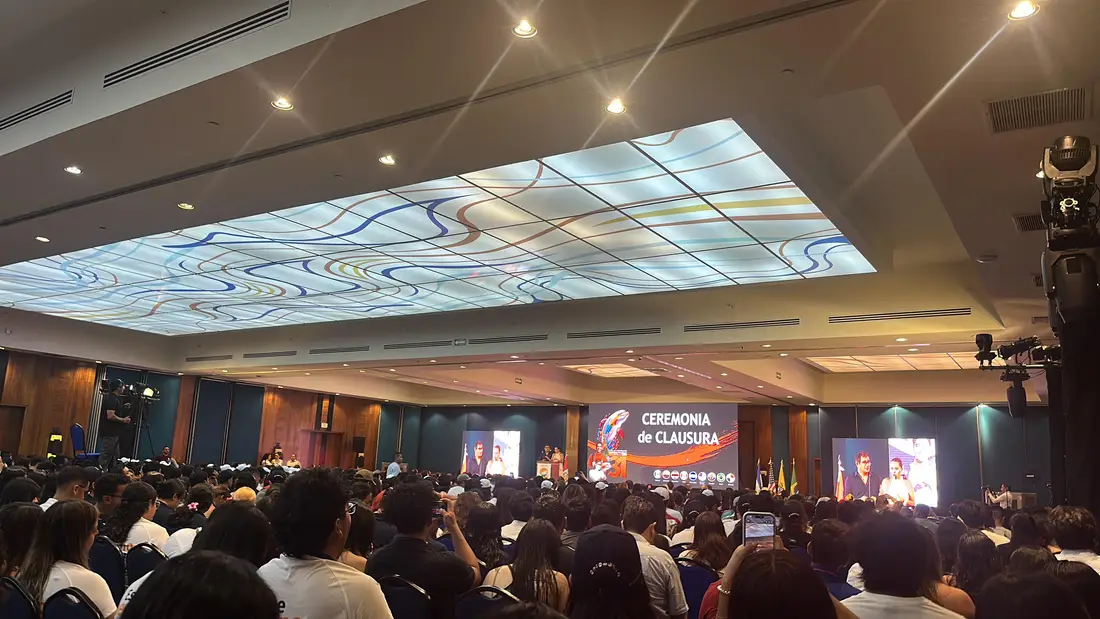
A packed hall during the closing ceremony of the Delfín Programme 2026.
Closing ceremony of the XXXI Summer of Scientific and Technological Research of the Pacific.
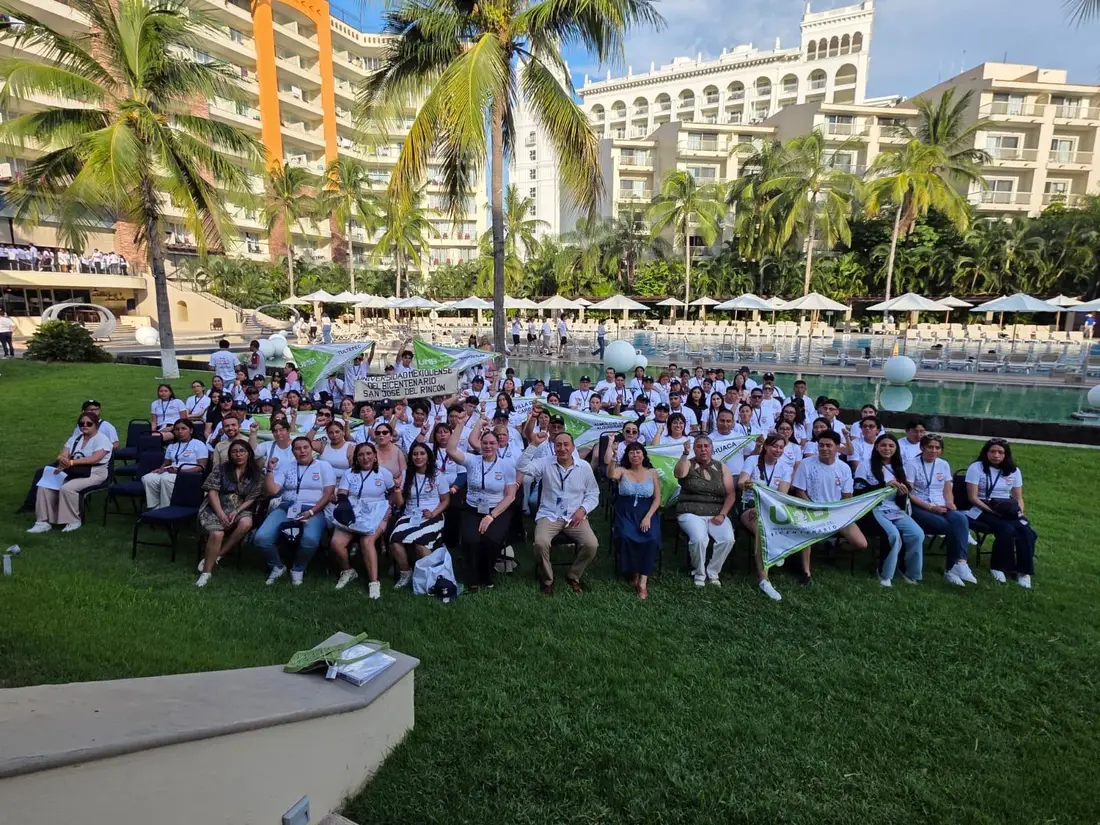
Group photo of the Delfín Programme 2026 participants outdoors, holding their university flags.
The last photo, with the flags of every university that made it there.
How I work

Rules I set myself before writing any code

  1. What doesn't exist can't break

    If a feature is speculative, it doesn't get built. Fewer moving parts is less that fails at three in the morning.
  2. Whatever already exists comes first

    I check whether the problem is already solved before writing new code. One more dependency has to earn its place.
  3. Security isn't a final step

    If your system handles people's data, that gets decided on day one — not once it has already shipped.
  4. I verify before calling it done

    Tests and a real run. “It should work” doesn't count as delivery.
  5. No secrets in the repository

    Credentials in environment variables, logs with no user content, and repositories reviewed before they're opened up.
  6. I don't vanish after delivery

    The server, the backups and the certificates stay looked after. If something goes down, I hear about it first.
Questions

What people always ask me

If your question isn't here, send it by email. I reply the same day.

Do you work with clients outside Mexico?
Yes. I work in English and Spanish, and I'm on GMT−6, which overlaps with most of the Americas and gives a workable morning window with Europe. I've already built a bilingual site for an international freight company whose clients write in both languages.
Do you work remotely or only in Temascalcingo?
Both. I live in Temascalcingo, State of Mexico, so I can show up in person there; everything else I handle remotely without trouble. Several of the systems on this page were built and are maintained at a distance.
What kind of projects do you take on?
Web platforms for institutions and businesses, WhatsApp bots, mobile apps and hardware projects. The filter isn't the technology: it's whether there's someone on the other side who will genuinely use it, and a concrete problem to solve.
What does it cost and how long does it take?
It depends on scope, and I'd rather say after understanding the problem, not before. Write to me with what you need and who will use it, and you'll get a price and a timeline in writing, no obligation.
Do you maintain what you deliver?
Yes. Almost everything here runs on a server I administer myself: nginx, certificates, backups and monitoring. If something goes down, I hear about it first. Delivering isn't disappearing.
Can I see your code?
Whatever is public lives at github.com/soyalvadios. Client and institutional work isn't published — people's data is involved — but I can walk you through it on a call.